
Entomology Digest – Fall 2026

Letter from the Chair
Hey Entomology folks! Just in time for the fall leaves, and the influx of box elder bugs. Happy autumn!
Our big news this Fall – first, we are welcoming Dr. James Brown and Dr. Michael Belitz to our faculty – we are delighted to have them on board! Also, welcome to our new graduate students, Yi Liu (Belitz Lab), Aaron Jackson (Crall Lab), and Ari Maurer (Schoville Lab), as well as postdoctoral scholar Dr. Isadora Fluck (Belitz Lab). Second, we congratulate Dr. Adela Oliva Chavez on her promotion to Associate Professor, and we look forward to congratulating Dr. James Crall in short order!
We started summer this year with a departmental strategic retreat, where we discussed a range of topics including community building, fundraising, research priorities, and how to continue to grow our academic programs. There are many strengths in the department (our growing undergraduate programs, strong national reputation and research portfolio, an overall positive sense of community), but our graduate student community is shrinking due to the uncertainty in federal funding and rising costs. If you are able, please consider giving donations, and we would particularly welcome investments in the opportunities for graduate students in the department.
Another summer highlight was our InsectFest event at Olbrich Gardens (July 24th, 2026), where we shared our love of insects with an estimated 1,379 guests! Many thanks to those that volunteered their time and please join us – we hope to do it again next summer!
Best wishes and here’s hoping for a gentle winter!
– Sean Schoville, Professor and Chair of Entomology
Jump to section:
Diagnostic Lab ⋅ Belitz ⋅ Bick ⋅ Brown ⋅ Crall ⋅ Gratton ⋅ Groves ⋅ Guedot ⋅ Oliva Chavez ⋅ Paskewitz ⋅ Schoville ⋅ Young ⋅ Bugs in the News
Lab updates
UW Insect Diagnostic Lab
I always appreciate when fall arrives, as it means that things start to slow down at the UW Insect Diagnostic Lab. Summer is my busiest season, with roughly half of the annual tally of identification requests coming in between Memorial Day and Labor Day. Things usually stay pretty busy until we get our first frost for the year. In addition to running the diagnostic lab, the summer is also a busy time for outreach. This year, Helen Oker and Morgan Weissner helped me lead the entomology major for the Grandparent’s University Program and I helped coordinate another very successful Wisconsin Insect Fest event at Olbrich gardens in late July (1,300+ attendees!).
I’ll save my favorite stories from the lab for my annual department seminar, but there was no shortage of surprises this year. Anything from unusual spiders to a new species of cockroach for the state, and an abundance of yellowjackets as August rolled around.
The busy schedule at the diagnostic lab also means needing to recharge, and this fall I had a chance to make a solo cross-island trek of Isle Royale’s Minong Ridge Trail. Of course, I was taking photographs of insects within a minute of getting off the seaplane. I had plenty of time for some of my favorite things—bushwhacking in swamps and bogs looking for biological curiosities.
2026 Wisconsin Insect Fest a Huge Success
UW-Entomology hosted another wonderful Wisconsin Insect Fest event in late July with partners at Olbrich Botanical Gardens. This was our biggest event yet, with over 1,300 attendees and spanned an entire afternoon into the evening. Wisconsin Insect Fest featured over a dozen entomology-themed booths and vendors, and eight seminars and guided walks. Speakers included our very own beetle expert, Dr. Dan Young, extraordinary photographer, Tony Shen, aquatic entomologist, Dr. Jessica Orlofske, and more. As evening rolled around, food carts offered an array of tasty dinner options, including edible insects (fried crickets, anyone?). The evening also featured a showing of The Incredible Caterpillar film, which led up to nighttime insect surveys in collaboration with National Moth Week—lots crammed into a single event.
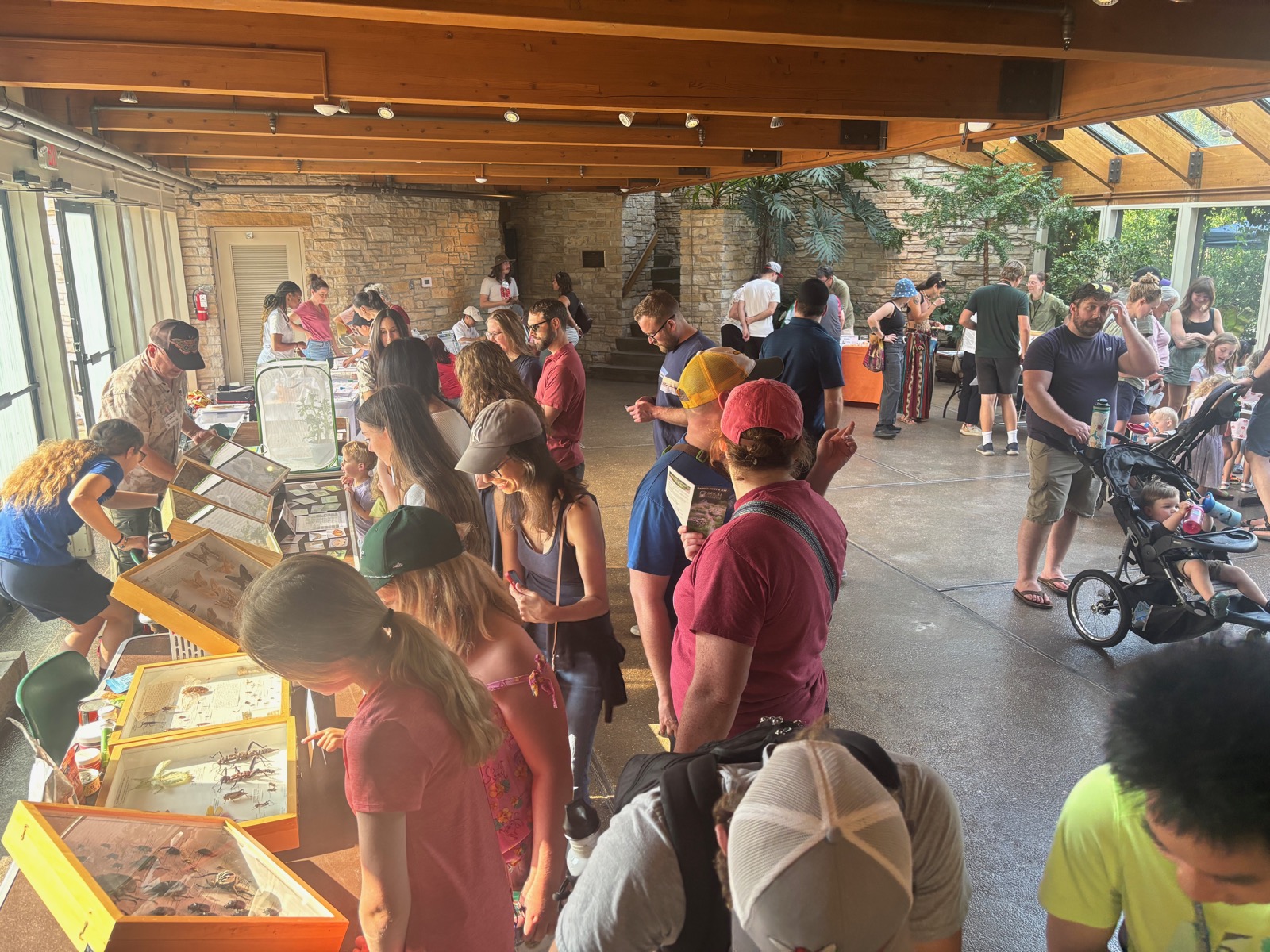
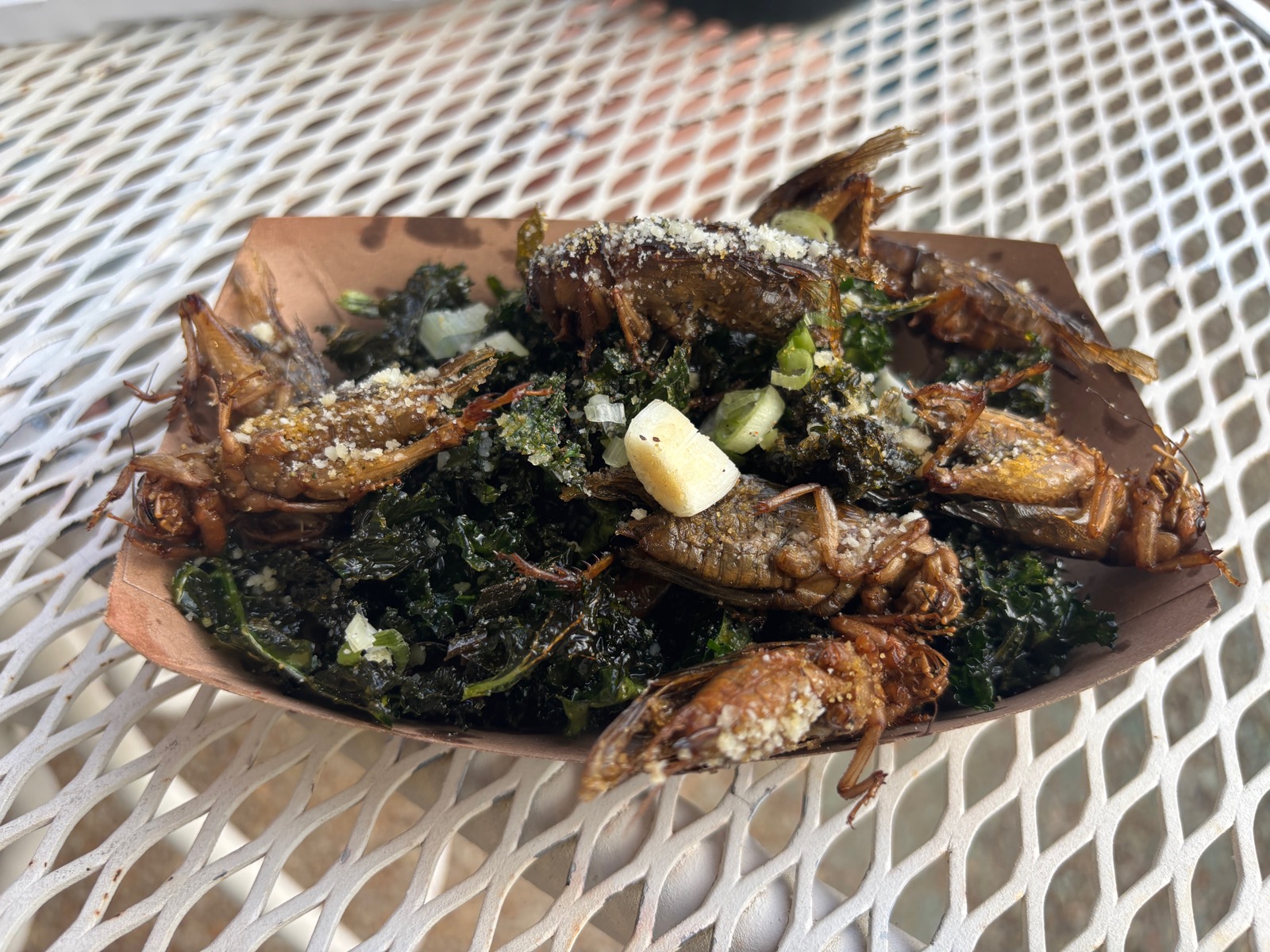
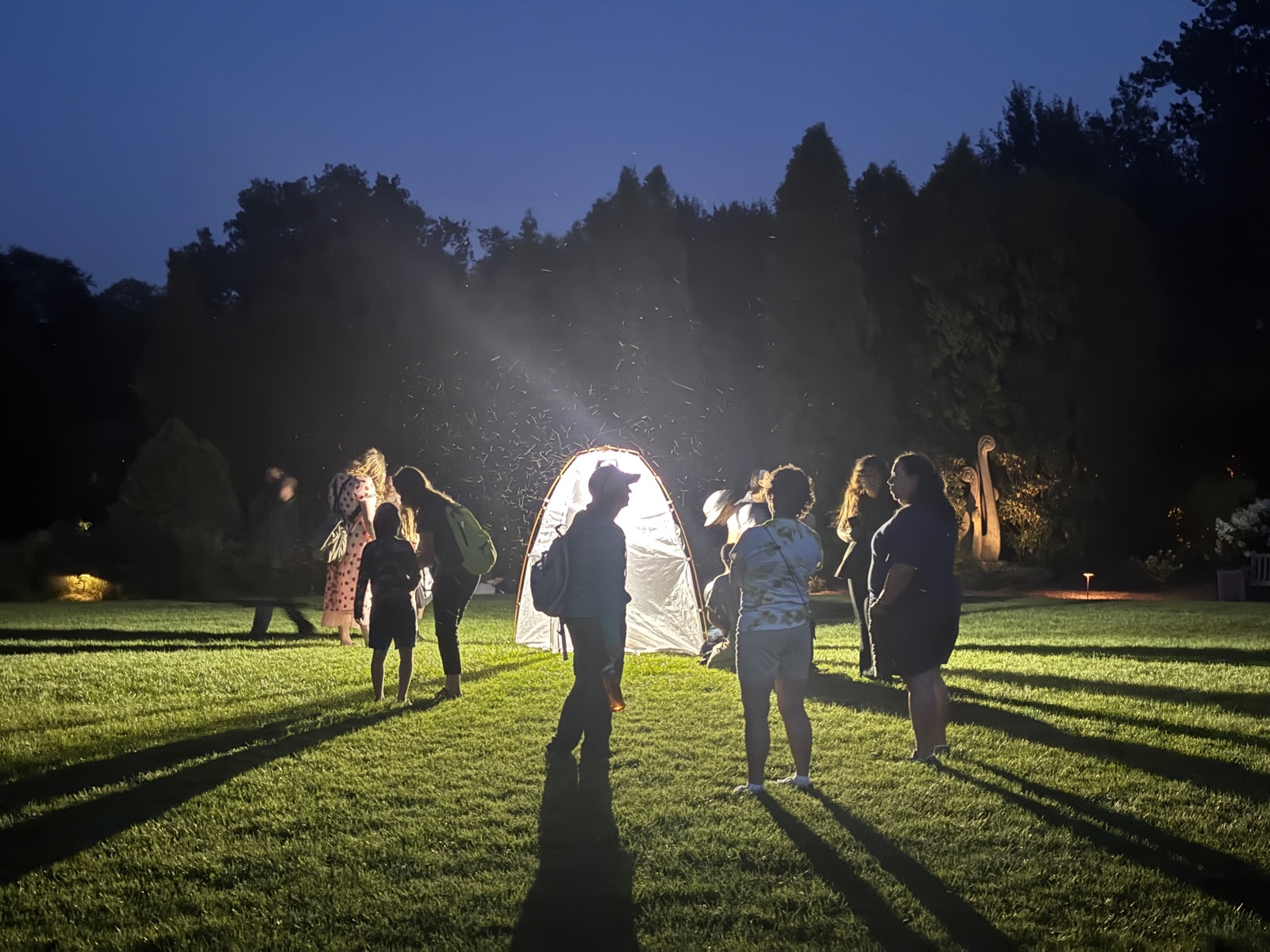
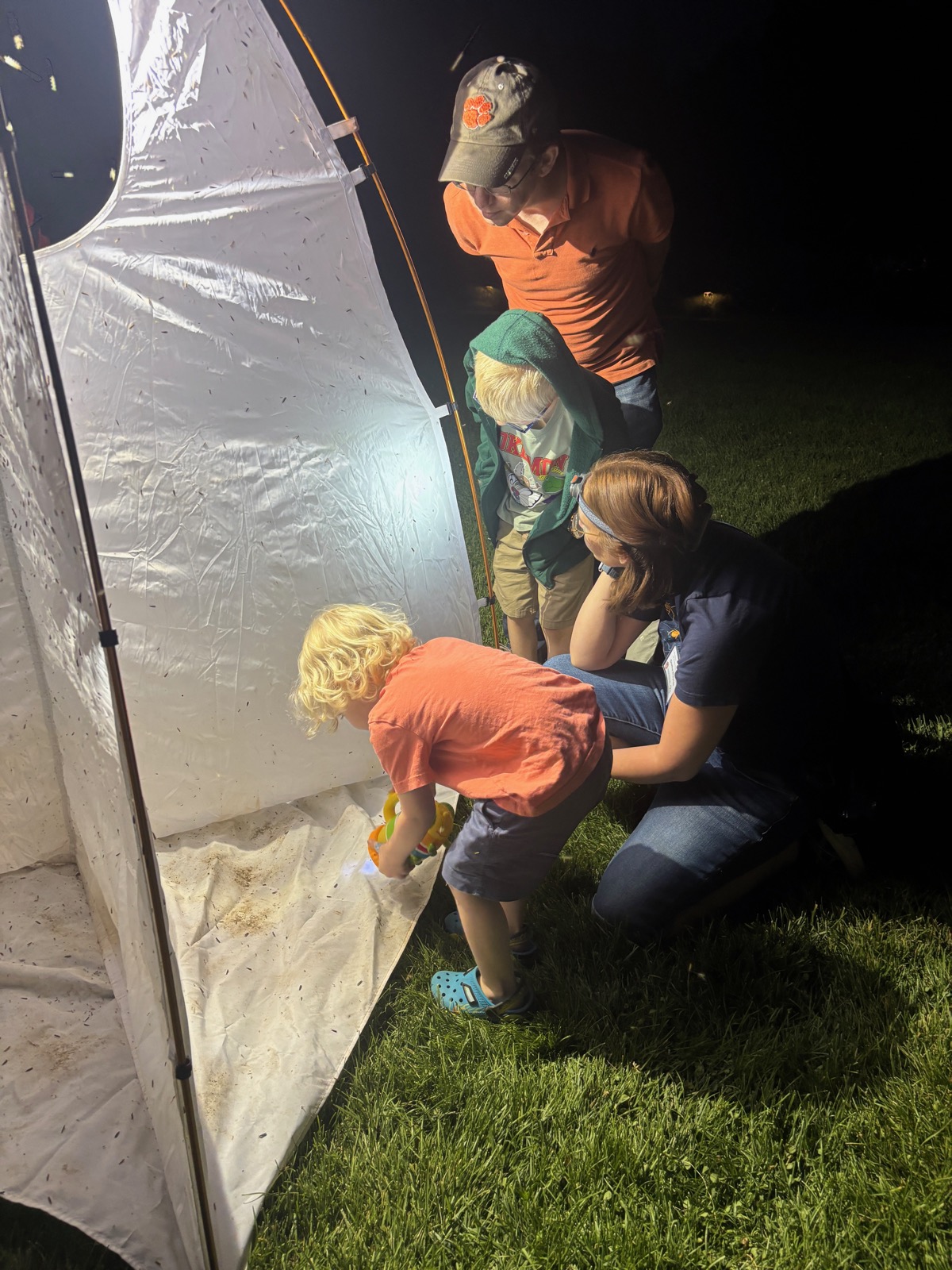
A huge thank you to all the faculty, staff, students, and partners at Olbrich Gardens who supported Wisconsin Insect Fest and made it a success. Pulling off an outreach event of this scale is no easy feat, and I’m proud that as a department, we’ve been able to develop Wisconsin Insect Fest over the last decade.
Stay tuned to see what we come up with for the 2027 event!
Belitz Lab
Dr. Michael Belitz | Lab website
The Belitz Lab arrived on campus in August, and we’re thrilled to be launching the lab! We’re building a collaborative, interdisciplinary group that studies how insects respond to global environmental change at large scales by integrating diverse data sources.
Michael began work on an NSF-funded collaborative project quantifying the impacts of extreme weather events on insect populations with Daijiang Li (UW–Madison, Department of Biology) and colleagues at the University of Florida (Lindsay Campbell and Rob Guralnick).
Isadora Fluck joined the lab as a postdoctoral research associate after earning her PhD in Interdisciplinary Ecology at the University of Florida. Isadora brings extensive expertise in working with large ecological datasets and testing biodiversity hypotheses at macroecological scales. In October, she joined the 2026–2028 NEON Ambassador Cohort, which connects early-career researchers working to increase the value of the National Ecological Observatory Network. Her postdoctoral research investigates how ground beetle communities connect to plant, bird, and small mammal communities, and whether these relationships reveal broader biodiversity patterns not captured by climate alone. She will also leverage body-size data from thousands of ground beetle images to examine how body size varies within species across the country and whether these patterns are predictable.
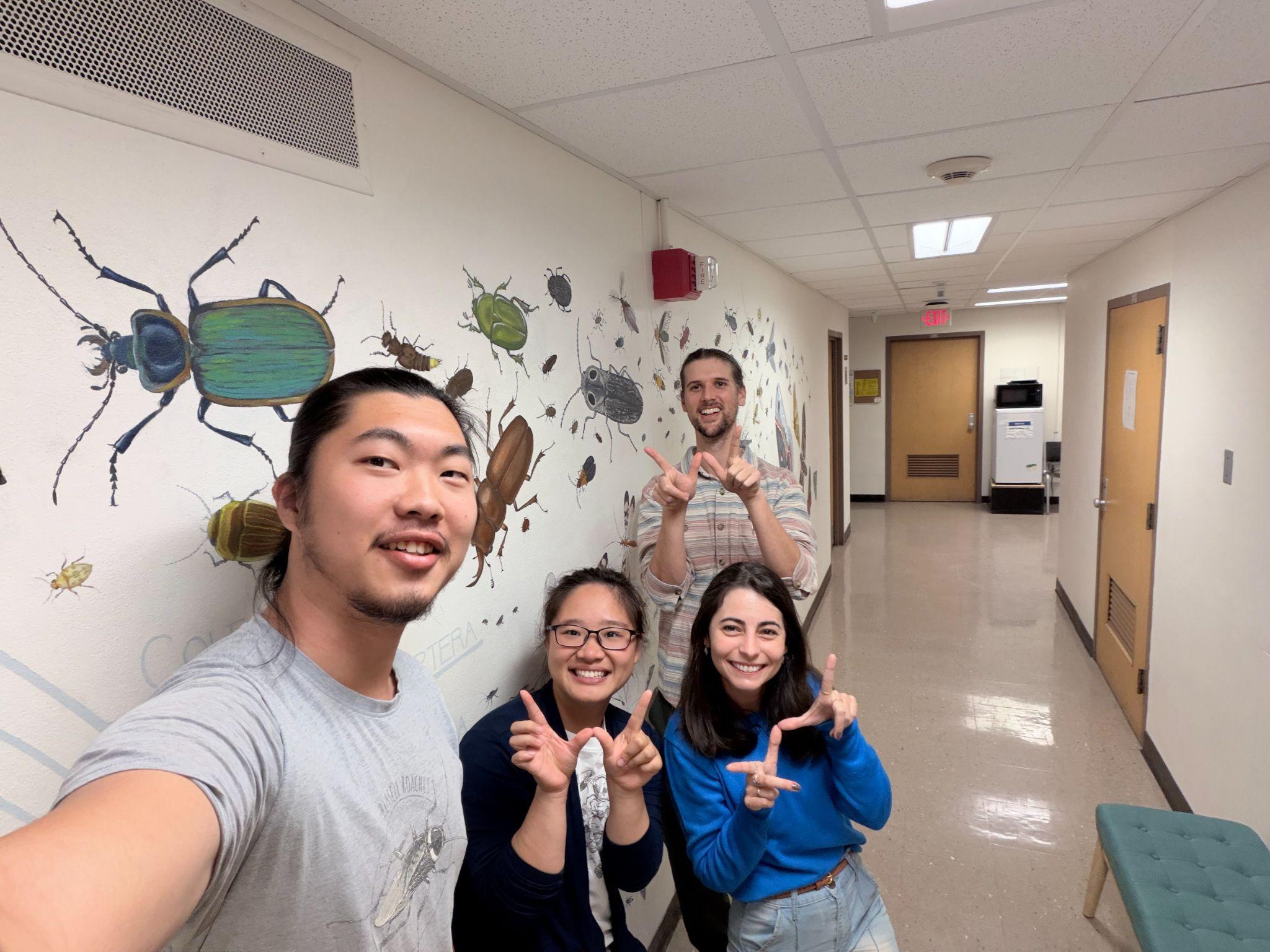
Yi Liu joined the lab as a PhD student in Entomology after earning her M.S. in Geospatial Data Science at the University of Michigan. Yi brings an engineering background and strong quantitative skills to the lab. This fall, she is diving into entomology through Introduction to Entomology and Advanced Coleoptera Taxonomy. She has also begun research projects using weather radar to track insect biomass trends and NEON data to describe ground beetle phenology.
Tiger Wang joined the lab as an undergraduate researcher this fall. Tiger is a junior at UW–Madison with a long-standing interest in Lepidoptera taxonomy. He spent this past summer as an intern at the Frost Entomological Museum at Penn State, where he digitized and organized mostly Neotropical butterfly collections. This fall, he is taking Advanced Coleoptera Taxonomy and joining lab meetings, where he has been developing ideas for the lab’s group research project using computer vision to measure color and morphology from museum specimens.
Bick Lab
People, projects, and progress in precision pest ecology
It has been a busy year in the Bick Lab at UW–Madison! We are celebrating two successful master’s defenses, welcoming new team members, launching newly funded projects, and sharing five 2026 publications. Across these efforts, our team continues to develop open-source tools for sensing insects, forecasting pest risk, and supporting agricultural decision-making. We bring together expertise in entomology, engineering, computer science, robotics, and agricultural modeling.
Congratulations to Alex Arovas and Lauren Glynn, Bick Lab members who successfully defended their MS theses in Biological Systems Engineering! Alex Arovas lead our work on the Insect Eavesdropper, contributing to our work on sound-based insect monitoring. Lauren Glynn focused on large language models in Extension and cross-validation of insect sensors. We are proud of their accomplishments and grateful for their contributions to the lab.
Research staff, postdoctoral researchers, and fellows
- Garrett Laube joined us this summer as our new research technician. A recent graduate of UW–Madison’s entomology program, Garrett is leading our insect experimentation work.
- Daniel Garcia is a postdoctoral researcher jointly appointed in Entomology and Plant Pathology. His research focuses on expanding our sound-based sensing approaches beyond insect applications.
- Mia Phillips was selected for an ORISE Fellowship associated with an Insect Eavesdropper project on automating the phenotyping of insect resistance in plants. Working with Shawn Steffan’s USDA lab, she will maintain an honorary appointment with the Bick Lab. Dr. Phillips continues to bring her expertise in insect sounds to this collaborative work.
Graduate researchers
- Fletcher Robbins is in the final year of his PhD and is preparing for his preliminary examination on November 3. His dissertation is titled “An adaptive forecasting framework for spatially explicit pest risk in Wisconsin field crops.” Fletcher recently returned from Denmark, where an American-Scandinavian Foundation Fellowship supported his work with modeling professor Niels Holst at Aarhus University. While there, he was also competitively selected for and participated in the Insect AI Access 2026 program, which was funded through a competitive department grant.
- Louis “Lou” Breuilly began his PhD just over a year ago and is jointly supervised by Dr. Emily Bick and Dr. Brian Luck in Biological Systems Engineering. Lou is developing FlutterSense, a UAV-mounted entomological lidar system for precision pest management. A newly awarded Draper TIF grant will support the project’s next stage of development and field testing.
Insect identification, teaching, and technology development
- Colson Tidikis, Elias Glass, and Gale Hakopian support the lab’s insect identification work.
- Helena Eisert worked in the lab throughout the summer and has returned this fall as a teaching assistant for Dr. Bick’s “Principles in Economic Entomology” course. We are excited to see her build on her research experience through teaching.
- Brian Ouyang is taking over as lead developer for the Insect Eavesdropper. He leads our undergraduate computer science team, which includes Tony Zhen, Tommy Zheng, Kai Hammond, and Geet Gambhir. Geet is also contributing to a LoRa mesh-network project described in a manuscript currently under review at Sensors.
- Amber Verma joins us as our new robotics intern. She will work with Daniel to expand our sound-based sensor hardware beyond insect applications.
New funding: advancing sensors, breeding, and automated phenotyping
Four recently awarded grants are supporting the next phase of our collaborative research:
- Draper TIF: “Advancing FlutterSense to TRL 5: UAV-Mounted Entomological Lidar for Precision Pest Management in Cropping Systems.” This award supports continued development and field testing of FlutterSense, with Lou Breuilly helping lead the work.
- OREI: “Heterotic pool development in public sweet corn breeding programs.” The Bick Lab received funding as part of this collaborative sweet corn breeding project.
- USDA NACA: “Automating phenotyping of insect resistance for Lygus spp. in alfalfa.” This project advances our work on automated approaches to evaluating insect resistance in plants.
- SARE Mini-Grant: Funding a Soybean Gall Midge field day in Western Wisconsin.
Together, these awards expand our work across sensor development, crop improvement, and insect–plant interactions.
Our 2026 publications
This year’s publications span agricultural microclimate modeling, pest forecasting, audio visualization, regional survey design, and entomology education.
- Robbins, F., Olson, S., Kucharik, C., Arovas, A., and Bick, E. (2026). AgroEcoMetrics: A Python Toolkit for Modeling and Visualizing Agricultural Microclimates. Journal of Open Research Software, 14(1), Article 58.
- Robbins, F., Neven, L., and Bick, E. (2026). Generating degree day models using metabolic rates: comparing brown marmorated stink bug model predictions across the USA. Journal of Economic Entomology, toag258.
- Seow, K., Arovas, A., Steinmetz, G., and Bick, E. (2026). BickGraphing: Web-Based Application for Visual Inspection of Audio Recordings. Journal of Open Research Software, 14(1), Article 56.
- Robbins, F., Hamilton, K., Schilder, T., Bradford, B., and Bick, E. (2026). Enhancing regional pest surveys: evaluating and guiding site selection with new methodology. Journal of Economic Entomology, 119(3), 1992–1998.
- Robbins, F., Oker, H., Guédot, C., and Bick, E. (2026). Exploring pest population dynamics using the economic entomology modeling activity. Natural Sciences Education, 55(1), e70051.
Looking ahead
This fall, we are preparing for Fletcher’s preliminary examination, increasing Insect Eavesdropper accessibility to labs past our collaborators, moving FlutterSense toward field testing, and continuing internal develop of the Insect Eavesdropper data pipelines and its applications. Thank you to our students, staff, collaborators, and funding partners for supporting this work—and for helping us connect new technologies with practical agricultural questions.
Brown Lab
Hello everyone! My name is Dr. James Brown, and on July 6th, I became the new Fruit Crop Entomologist. I am thrilled to be here and grateful for the warm welcome I’ve received from everyone I’ve met so far.
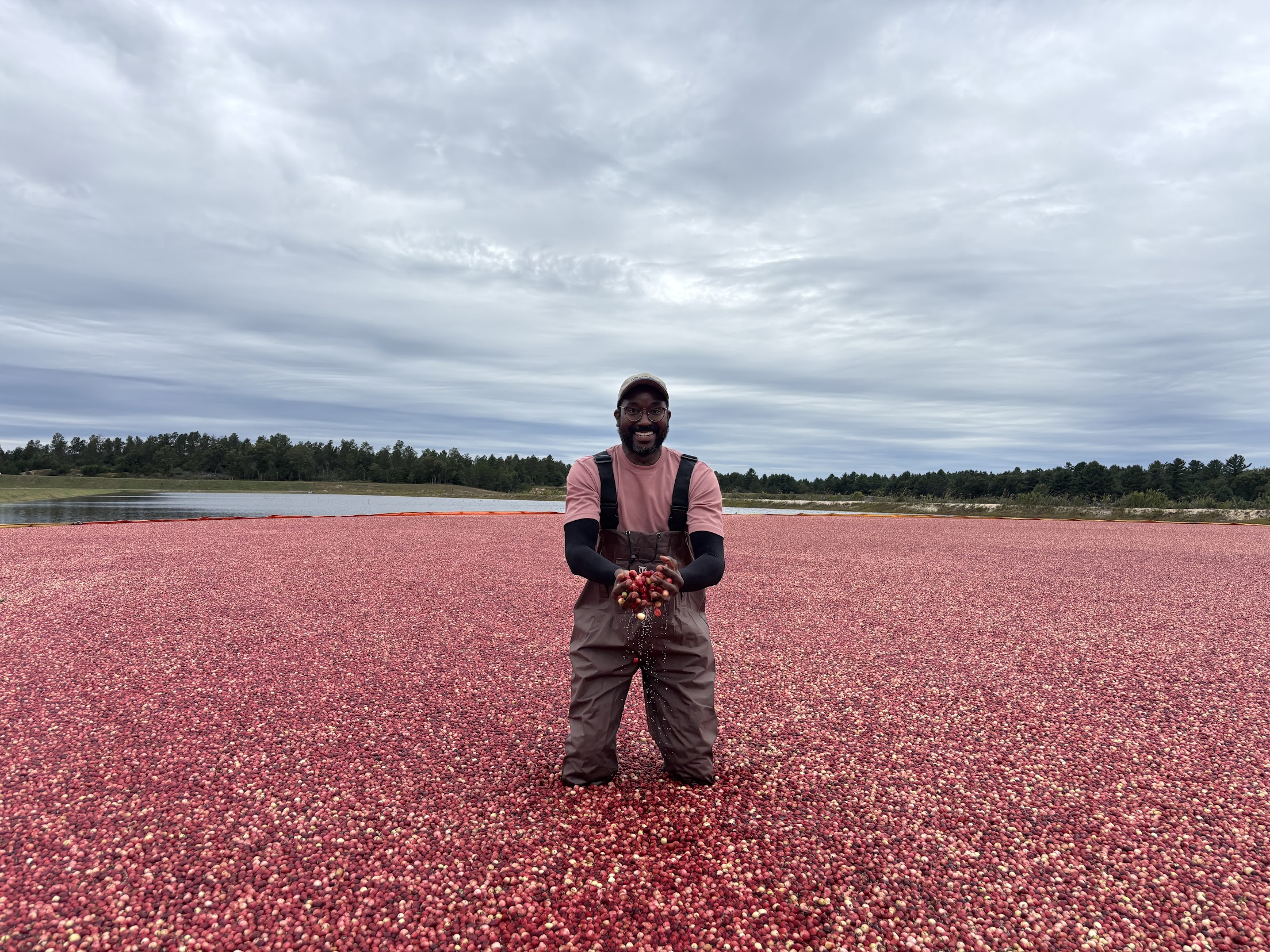
For those I haven’t connected with yet, let me share a bit about my path here. I started in entomology at the USDA in Florida, working in a biological control lab that focused on insect predators and parasitoids to manage the fall armyworm. That led to a master’s degree investigating the overwintering physiology of the European corn borer, then a PhD with Dr. Oscar Liburd focused on applied integrated pest management (IPM) of Drosophila suzukii (spotted-wing drosophila) in blueberries.
Here at UW-Madison, I look forward to building a program at the intersection of fundamental IPM strategies, chemical ecology, and behavioral ecology to optimize pest management for growers. I am also excited to help train the next generation of agricultural entomologists! Over the past few months, I’ve met with Wisconsin apple, grape, berry, and cranberry associations, listening to their concerns and thinking of collaborative ways to solve their insect challenges.
Guided by those conversations, the Brown Lab is already ramping up for an exciting research season. We are actively recruiting undergraduate researchers and preparing to welcome our first graduate student, and we have some pretty cool research planned for the upcoming year. It has only been a few months, and the future is looking bright!
Crall Lab
We’re excited to welcome new members to the lab this fall! Aaron Jackson joined the lab as a PhD student in the first cohort of UW-Madison’s new Ecology and Evolutionary Biology (EEB) PhD program, where he was selected for a competitive program fellowship. Aaron will combine agent-based models with experiments to study how individual behavioral variation shapes colony performance and resilience in bumble bees. He arrives fresh off a big summer: in August he presented his undergraduate thesis research, Modeling the Effect of Artificial Feeders on Hummingbird Territory Distributions and Pollination, at the Mathematical Association of America’s MathFest conference in Boston, where he won an Outstanding Poster Award. Congrats Aaron!
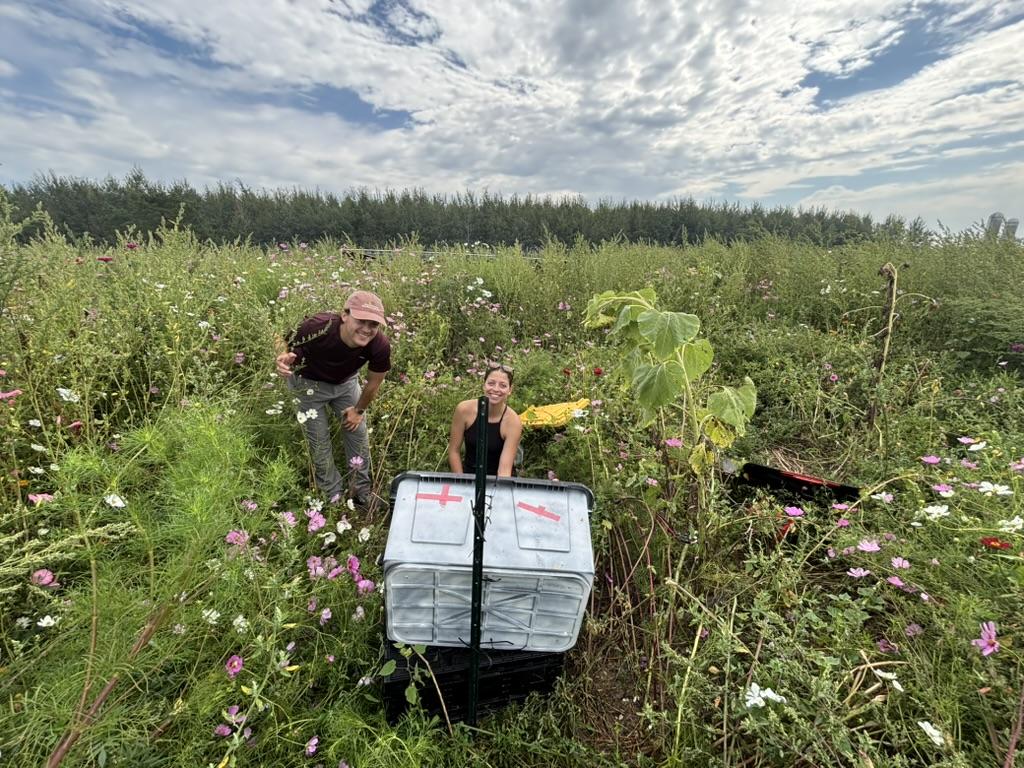
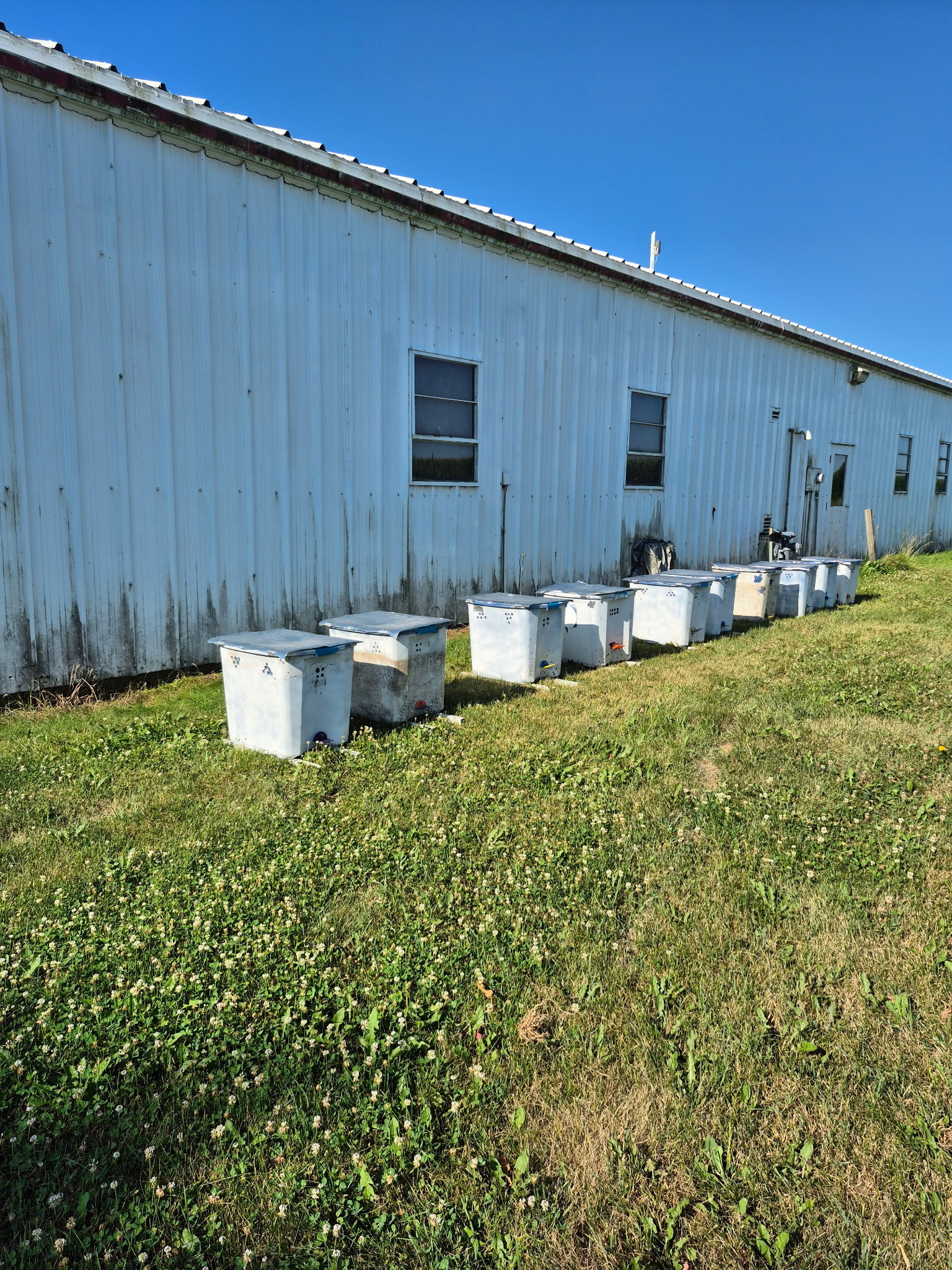
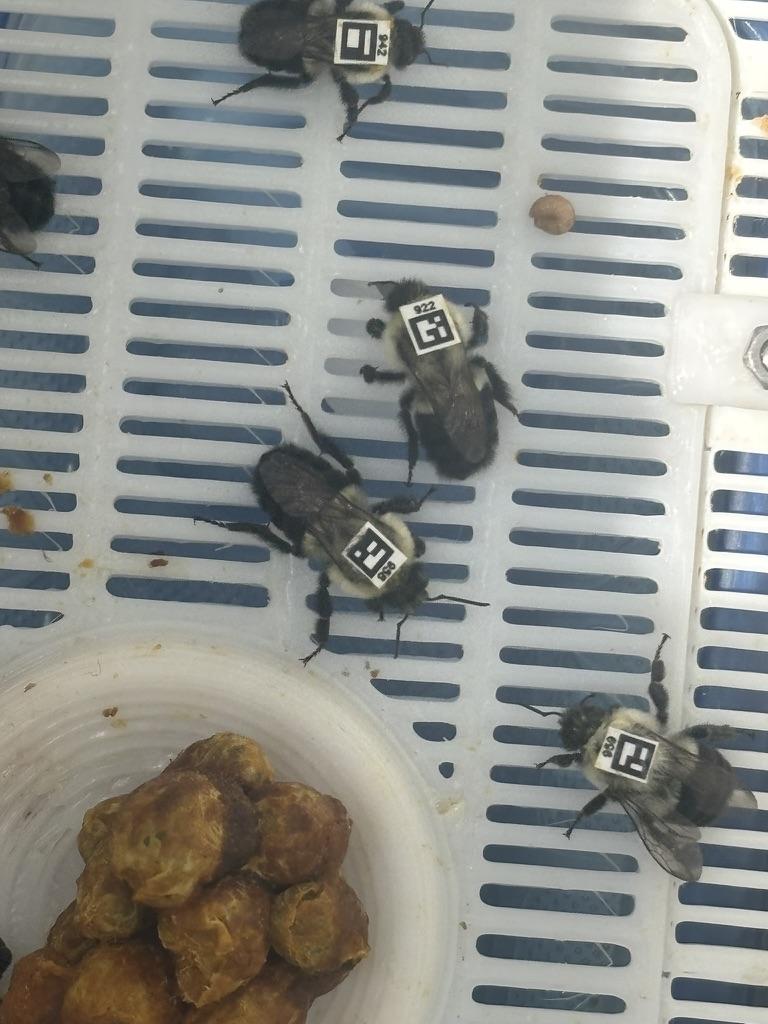
Bumble bee colonies containing individually tagged bees deployed at Arlington Agricultural Research to study the impacts of pesticide and temperature stress on colony growth (photo: Anupreksha Jain and James Crall)
We also have several undergraduate researchers joining or returning to the lab this semester, including Omar Abukar (working Anupreksha Jain on desiccation impacts on bees), Aishika Samanta (working with Nicole DesJardins and James on pesticide impacts on social learning), Reuven Weinstein (working with August Easton-Calabria on deep learning for bee behavioral tracking), and Mingxiu Liu (working with Dr. Ari Grele on plant stress and management practices on floral traits). We also said goodbye to Jamie Resis, an undergraduate researcher who worked with Gigi Melone for several years, and graduated in spring.
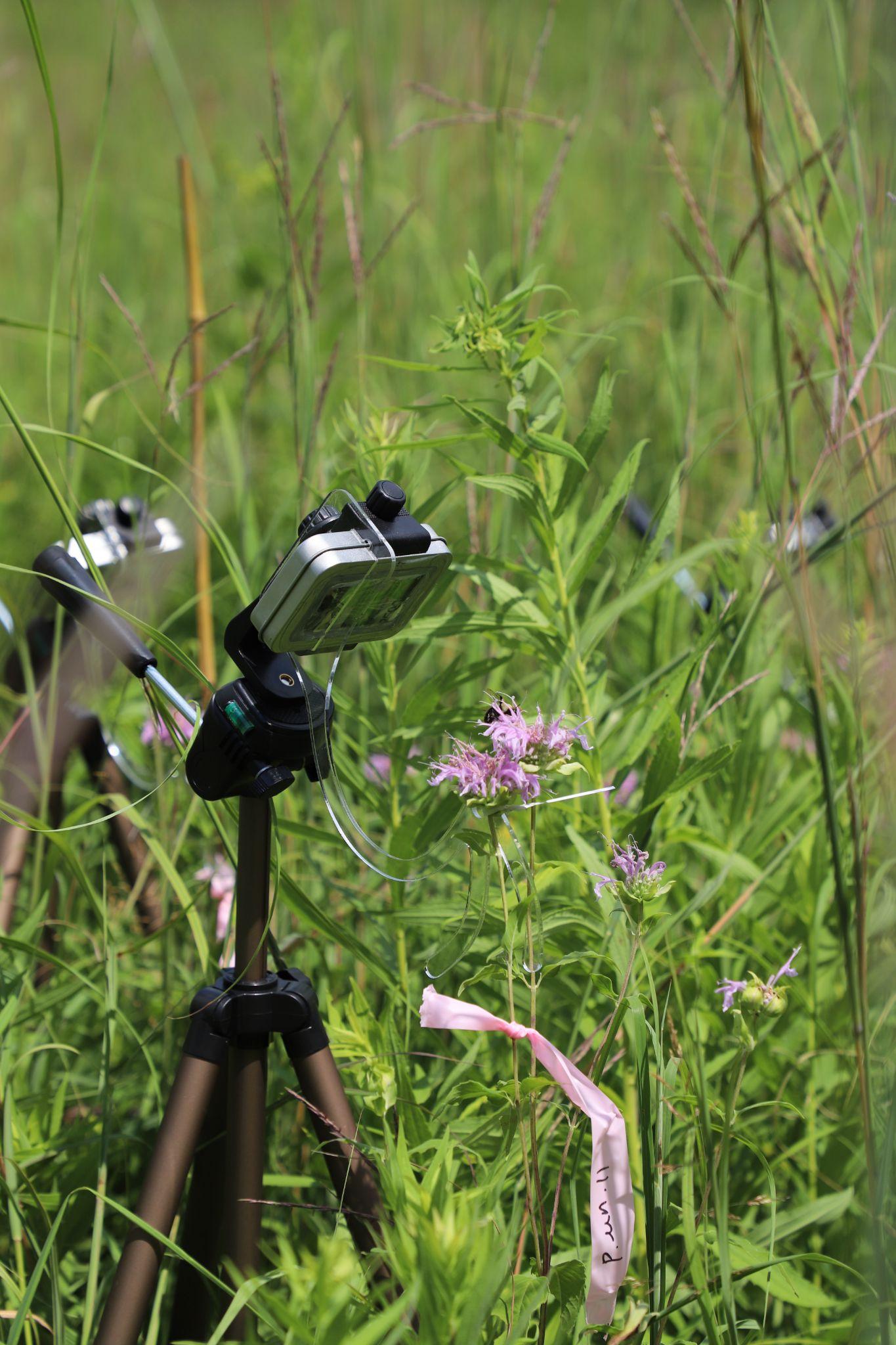
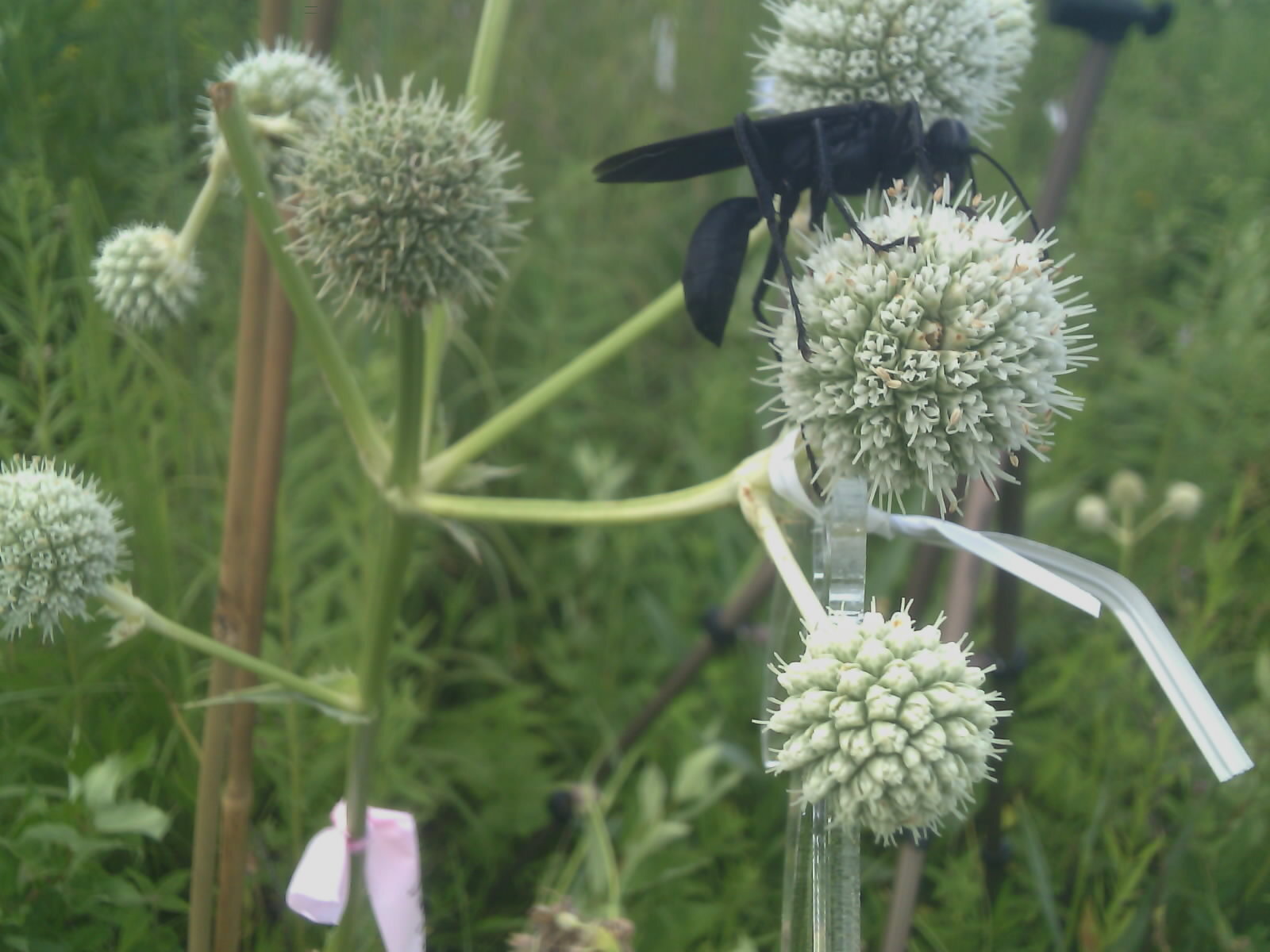
A low-cost pollinator camera trap and example capture of an insect visitor at the UW-Madison Arboretum, from Dr. Ari Grele’s experiments on individual variation among plants and impacts on pollination. Photos: Ari Grele.
We’re also thrilled to welcome back Dr. Olivia Bernauer, a former postdoc in the lab, who has returned to Madison as a Staff Scientist. Olivia will lead our Wisconsin DATCP-funded work on temperature and pollination effectiveness in cranberry. Olivia and her husband Zach also just welcomed their daughter, Violet Ava Smith, in September. Congrats Olivia and Zach, and welcome to the world, Violet!
We also send a fond farewell and big congratulations to Dr. Nicole DesJardins, who has started a new position as a postdoctoral fellow in Dr. Mary Gardiner’s lab at the Ohio State University in the Department of Entomology.
In June, Anupreksha Jain and Nicole presented their work at the International Conference on Pollinator Biology, Health, and Policy in Bozeman, MT. August Easton-Calabria gave an invited symposium presentation at the annual Animal Behavior Society meeting in Cincinnati, Ohio. In July, Gigi Melone presented her work at the annual Ecological Society of America meeting in Salt Lake City, Utah.
New publications
- Bernauer OM, Smith MAY, Salas R, Wartell T, Tang ATS, Groves RL, Spiesman BJ, Gratton C, Crall JD (2026). Automated flower monitoring with deep learning reveals fine-scale microclimate selection by pollinators. Current Biology 36(13): 3425–3433. https://doi.org/10.1016/j.cub.2026.06.002
- Crall JD, Gaiarsa MP (2026). From individuals to networks: The role of variation in plant–pollinator communities’ responses to global change. Journal of Animal Ecology 95: 1586–1597. https://doi.org/10.1111/1365-2656.70300
- Salerno V, Tang ATS, Mora J, Argueta-Guzmán M, González B, Peterson SS, McFrederick QS, Gaiarsa MP, Crall J (2026). osmiaCAM: A low-cost imaging monitoring system for linking solitary bee foraging, nest provisioning, and environmental sensitivity. Integrative and Comparative Biology 66: icag081. https://doi.org/10.1093/icb/icag081 oup
- Hunt R, Easton-Calabria A, Crall J (2026). BeeWhere: Segmenting bumble bee colonies to quantify behavioral effects. Accepted to ECCV 2026 Computer Vision for Ecology Workshop Proceedings. arXiv:2610.03051 arxiv
Gratton Lab
Dr. Claudio Gratton | Lab website
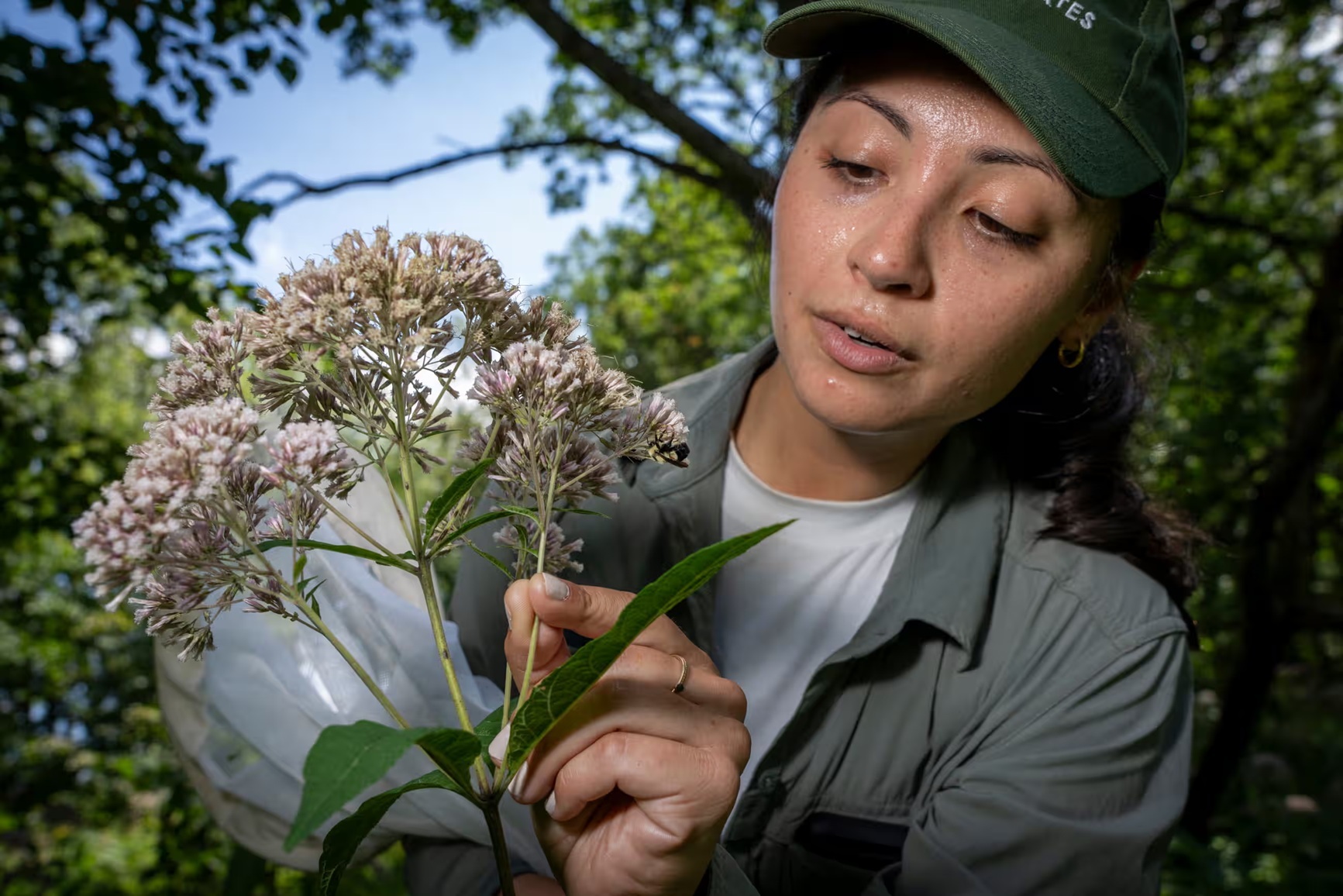
Jade Kochanski will be defending her PhD dissertation in Integrative Biology this fall (Wed, Oct 28, 9-10am) as part of the departmental seminar series. Jade’s dissertation research focuses on bridging basic and applied science to understand whether prairie restoration is an effective method for long-term conservation of bumble bees and how managing prairie with prescribed fire affects bumble bees. Jade has been a member of the department for many years, earning her BS in Entomology and Environmental Studies in 2016 and MS in Entomology in 2020.
Groves Lab
Dr. Russell Groves | Lab website
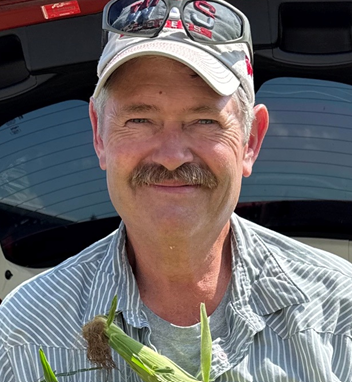
The Vegetable Entomology Laboratory recently concluded another successful summer field season in 2026. Applied research in 2026 included 22 residue and crop safety trials administered under GLP for the Inter-Regional Research Project #4 (aka IR-4 Project), entitled, “Pest Management Solutions for Specialty Crops and Specialty Uses”. Consistent with past seasons, Dr. Scott Chapman (PhD 2000) remained busy working to complete this series of trials associated with the IR-4 Project. A significant change for our laboratory includes the planned retirement of Dr. Chapman in January 2027 after 25 years of research and extension excellence. Scott has been an incredibly valuable member of the Vegetable Entomology Program over the duration of his career where he has served several graduate students on their projects as well as our summer undergraduate interns. He has consistently undertaken responsibility for combinations of field and greenhouse trials, including protocols that have covered a very wide range of specialty crops including cucumber, dill, field pea, strawberry, sweet corn, basil, peppermint, potato, succulent bean, dry bean, sunflower and hemp. Outcomes of Scott’s research have always been featured at the Wisconsin Potato and Vegetable Growers Association, Grower Education Conference, the Potato Expo, the Midwest Food Products Association, the Wisconsin Muck Growers Association and the Wisconsin Agribusiness Classic. His service to the allied industries, the Department and our program will be greatly missed.
Mr. Ben Bradford (MS 2016) has been a researcher in the laboratory for over a decade. After completion of his degree, he accepted a Researcher position where he provides important contributions on a variety of projects, including developing and maintaining decision-support web applications and websites (including the Vegetable Entomology page and Department website and associated pages), planning and reporting on applied research trials, and other data science projects. Decision aid systems for which Ben provides technical leadership include the Vegetable Disease and Insect Forecasting Network site as well as the Crop Protection Network’s, Crop Risk Tool. During his time as a graduate student, he explored the problem of groundwater contamination by neonicotinoid insecticides, specifically thiamethoxam, by surveying high-capacity irrigation wells in the Central Sands vegetable growing region of Wisconsin.
The summer season was highlighted by research efforts from our undergraduate students Ms. Sophia Vierk, Ms. Norah Johnstone, Ms. Gabby Kuplic, Ms. Evelyn Mikkelson and Mr. Lucas Prange. Each person contributed a significant effort toward the completion of our 2026 summer field trials. In the Fall 2026, the laboratory also hosted a new PhD student, Ms. Evelyn Mews who joined our group through the Molecular and Environmental Toxicology Program. Evelyn initiated studies to characterize the in-plant concentration of select pesticides following different application technologies.
Student-directed research
Ms. Victoria Salerno, PhD student (Environment and Resources), published the first chapter of her PhD dissertation focused on the development of an imaging system to characterize pollinator, in-nest behaviors. She also successfully competed for participation in an InsectAI workshop, held September 13-18th at the Kaløvig Center in Aarhus, Denmark.
- Salerno, V., Tang, A.T.S., Mora, J., Argueta-Guzmán, M., González, B., Peterson, S.S., McFrederick, Q.S., Gaiarsa, M.P. and Crall, J. (2026). osmiaCAM: A low-cost imaging monitoring system for linking solitary bee foraging, nest provisioning, and environmental sensitivity. Integrative and Comparative Biology, doi: 10.1093/icb/icag081.
Ms. Claire Schloemer, PhD student (Entomology), was recipient of a Kinney Merit award in the Department of Entomology to support the presentation of her research at the upcoming Entomological Society of America (ESA), Annual Meeting to be held Nov 8-11, Columbus, OH. Claire’s research has also been featured in the Badger CommonTater in the July issue focusing upon management of Potato virus Y (PVY) in seed potato production.
Ms. Sumikshya K.C., PhD student (Entomology), is the newest student in the laboratory and is beginning investigations focused upon the movement patterns of PVY within unique cultivars of potato. Sumi continues with additional studies to characterize the susceptibility of different carrot cultivars to infection by Candidatus phytoplasma asteris.
Ms. Emma Terris, PhD candidate (Entomology), recently published two manuscripts that represented her MS research and a collaboration with the University of Ankara, Ankara, Turkiye. Her research was also recently supported through a travel award from the JF Crow Institute for the Study of Evolution, and this support will also partially support her presentation at the upcoming ESA Annual Meeting.
- Terris, E.E., Verkoulen, S., Moen, S., Groves, R.L., Schoville, S.D., Weissner, M., and Toprak, U. (2026), Expression and RNAi characterization of neuropeptides and signaling pathways underlying developmental regulation in the Colorado potato beetle. Frontiers in Insect Science, 6, p. 1862257. Available at: https://doi.org/10.3389/finsc.2026.1862257.
- Terris, E.E., Bradford, B.Z., Kulzer, F., Clements, J., Lamour, K.H., Schoville, S.D. and Groves, R.L. (2026), Assessing the potential for insecticide cross-resistance to a novel insecticide in the Colorado potato beetle (Leptinotarsa decemlineata) using phenotypic and transcript expression analysis. Pest Manag Sci. https://doi-org.ezproxy.library.wisc.edu/10.1002/ps.71027.
Ms. Morgan Weissner, PhD student (Entomology), was awarded the 2026-27 – Wisconsin Distinguished Graduate Fellowship, from the UW College of Agriculture and the Wisconsin Potato Industry Board. Morgan was selected to participate in the Potato Association of America “Fostering Relationships Interview Series” and the interview was featured in PAA Connect. Morgan also had a Pest Profile entitled, “Contemporary Integrated Pest Management of Colorado Potato Beetle (Coleoptera: Chrysomelidae)” published in the Journal of Integrated Pest Management.
- Weissner, M., Gunn, J.C., Christensen, B.M., Terris E.E., Lebenzon J.E, Huseth, A., Alyokhin, A., Bradford, B.Z., Chen, Y.H., Schoville, S.D., Groves, R.L. (2026), Contemporary Integrated Pest Management of Colorado Potato Beetle (Coleoptera: Chrysomelidae). Journal of Integrated Pest Management. 10.1093/jipm/pmag049
New Project Submissions
- USDA NIFA SCRI. Triple Threat: Management strategies for three vector-borne, tuber necrotic viruses in potato production – a systems approach. $8.8 M (in review).
- Groundwater Coordinating Council, Wisconsin Department of Natural Resources. Machine learning-enabled Raman sensors for neonicotinoid detection in Wisconsin groundwater. $120K (in review).
Select Publications (print or in press)
- Azhimuratov, N., Groves, R. L., Mandujano Reyes, J. F., Zhu, J., & Schoville, S. D. (2026). Regional analysis of spatiotemporal trends in Colorado potato beetle abundance. Pest Management Science. https://doi.org/10.1002/ps.71109.
- Bernauer, O. M., Smith, M. A.-Y., Salas, R., Wartell, T., Tang, A. T. S., Groves, R. L., Spiesman, B. J., Gratton, C., & Crall, J. D. (2026). Automated flower monitoring with deep learning reveals fine-scale microclimate selection by pollinators. Current Biology, 36(13), 3425–3433.e5. https://doi.org/10.1016/j.cub.2026.06.002.
- Perrot, T., L. Beaumelle, E. Thomine, et al. (2026). Semi-Natural Habitats Buffer the Effects of Crop Diversification on Arthropod Pest Control Services in Agricultural Landscapes. Ecology Letters 29, no. 8: e70440. https://doi.org/10.1111/ele.70440.
- Cohen AL, Bradford B, Groves R, Szendrei Z (2026). Interactions among weather and landscape affect Colorado potato beetle population dynamics. PLoS One 21(3): e0345180. https://doi.org/10.1371/journal.pone.0345180.
Guédot Lab
Dr. Christelle Guédot | Lab website
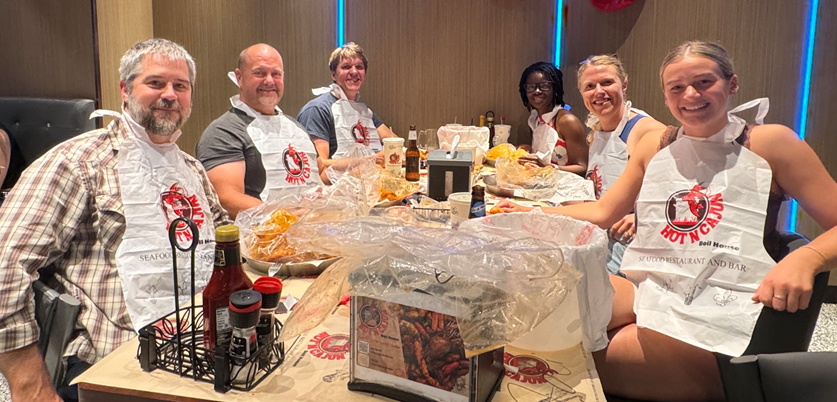
Sophie Perry, Emilie Parkanzky, and Elizabeth Hrycyna completed their MS degrees with flying colors in May 2026! Sophie is now the Vegetable Manager at Bread and Butter Farm, Shelburne, VT, Emilie works as the Great Lakes Horticulturist for MBG Marketing in Grand Junction, MI, and Elizabeth started a PhD program at the University of Minnesota. Fatma Besbes is finishing up her PhD dissertation that she plans to defend this Fall. This summer we welcomed Moiravi Aldunate, a Badger Prep scholar, who studies the contribution of syrphid flies to raspberry pollination. Moiravi and undergrad Lucas Pawlikowski observed and caught raspberry floral visitors this summer to quantify the amount of available pollen on syrphids and bees observed. Birhanu Amare, postdoctoral researcher in the lab, left us this past Spring to return to Ethiopia. Damian Rodriguez assisted us with data collection this summer and returned to UW-River Falls for the school year. Christelle is currently recruiting two new PhD students to start in January 2027. One student will work on Japanese beetle biocontrol and seasonal abundance predictive models in grape and the other on managing tarnished plant bug in organic day-neutral strawberries using trap cropping and mass trapping.
Publications
- Smitley D., Krischik V., Lewis P., Nomura Y., Cranshaw W., Deans C., Parkanzy E., and Guédot, C. 2026. Ovavesicula popilliae (Microsporidia) invasion of Japanese beetle (Coleoptera: Scarabaeidae) populations in the Midwest and Northcentral United States. Journal of Economic Entomology. https://doi.org/10.1093/jee/toag249
- Hetherington M.C., Brunet J. and Guédot, C. 2026. Differential attraction of Lygus hesperus Knight to host plants in the laboratory. Journal of Insect Science. Accepted
- Lee, C.-L., B.-A., D., Lamm, A. J., Rivera, M. J., Guédot, C., Blaauw, B. R., Byrd, A. R., Digiacomo, G., Piñero, J., Wilson, J., & Leskey, T. (2026). Factors Influencing Tree-Fruit Growers’ Perceptions of IPM Implementation in the Eastern United States. Discover Sustainability. https://doi.org/10.1007/s43621-026-03403-6
Oliva Chavez Lab
Dr. Adela Oliva Chavez | Lab website
Stephanie Guzman Valencia finished her Ph.D. over the summer after publishing her first peer-reviewed article describing her findings on the epigenetics of Ixodes scapularis. She is now back in Texas with her husband and fury child.
Nathan Lin successfully completed two tick feedings in cattle, gaining experience using animal models to study tick feeding (this was his first time working with animals!). In a collaboration with the USDA ARS, Nathan is trying to define how two ticks with different lifestyles (one presents a strong preference for ungulates, and the second is a generalist tick that feeds on several different vertebrates) alter the regulation of salivary genes throughout the feeding process in cattle… by dissecting hundreds of ticks!
Adela Oliva Chavez was recently interviewed by Short Waves NPR (https://www.npr.org/transcripts/nx-s1-5843195) along with two other scientists investigating tick ecology and Lyme disease transmission by ticks. In the interview, she discussed the vaccine that her laboratory is working on and anti-tick immunity. Later, she joined a microbiologist at Rutgers University and an ecologist at Washington State University in an interview by SciLine AAAS (https://www.sciline.org/public-health/ticks-2026/) on ticks, the transmission of pathogens, alpha-gal, and how climate change is affecting tick distribution, and also by Madison 365 (https://madison365.com/aggressive-lone-star-tick-closing-in-on-wisconsin/) on Amblyomma americanum and the occasional reports of this tick in Wisconsin. Working with the Livestock division of extension, she put together a communication for producers to inform them about the Long-horned tick (https://livestock.extension.wisc.edu/articles/the-asian-longhorned-tick-an-emerging-threat/). She was invited to present at the University of Georgia, Dept. of Entomology Seminar series and enjoyed the weather in Athens and the scientific conversations.
This summer Nathan Lin and Dr. Oliva Chavez traveled to the USDA-ARS in Edinburg TX to perform experiments to continue to refine the antigens for the anti-tick vaccine that they are working in.
Publications
- Guzman-Valencia S, Cassens J, Saelao P, Leal A, Lohstroh E, Harvey C, Leal-Galvan B, Chambers C, Wright C, Orsborn S, Tietjen M, Johnson T, Mehta NA, Golding MC, Medina RF, Tufts DM, Faulk C, Oliver JD, Oliva Chavez AS. Contrasting epigenetics of Ixodes scapularis populations. Sci Rep. 2026 May 6;16(1). doi: 10.1038/s41598-026-51703-8. PubMed PMID: 42092101; PubMed Central PMCID: PMC13333938.
- Marnin L, Valencia LM, Bogale HN, Laukaitis-Yousey HJ, Rolandelli A, Ferraz CR, O’Neal AJ, Schmitter-Sánchez AD, Cuevas EB, Nguyen TT, Leal-Galvan B, Rickert DM, Mendes MT, Samaddar S, Butler LR, Singh N, Cabrera Paz FE, Wu-Chuang A, Oliver JD, Jameson JM, Munderloh UG, Oliva Chávez AS, Mulenga A, Park S, Serre D, Pedra JHF. Tick Extracellular Vesicles Alter Epidermal Keratinocyte Function. J Invest Dermatol. 2026 Apr;146(4):1046-1063.e8. doi: 10.1016/j.jid.2025.08.037. Epub 2025 Sep 5. PubMed PMID: 40915408; PubMed Central PMCID: PMC12603915.
Paskewitz Lab
Dr. Susan Paskewitz | Lab website
The Paskewitz lab welcomes Matylda Lally, a new graduate student in Entomology who moved to Madison after a productive summer at the Northshore Mosquito Abatement District in Chicagoland. Matylda will be working in the Midwest Center of Excellence for Vector-Borne Disease (MCE-VBD) on projects related to insecticide resistance and the vectors of West Nile virus.
We also welcome Alyssa Bruckert, who has worked in the lab as an LTE and fellow for several years and is now in the MPH program here at UW Madison. Alyssa is working on a project with Dr. Xia Lee and the MCE-VBD to explore methods to evaluate the effectiveness of outreach efforts for prevention of tick bites and tick-borne disease.
We congratulate Seth Arnold who was hired as an epidemiologist at the Centers for Disease Control and Prevention in Fort Collins, Colorado, this past summer. Seth worked with the MCE-VBD for several years, graduating with his MPH in Spring of 2026. His research projects centered on testing new adulticides used for control of Culex pipiens and on surveys of regional mosquito abatement districts related to their educational outreach efforts. Seth was a global health major as an undergraduate and subsequently an excellent TA for two of the Global Health classes. We wish him the best with his new adventure!
The MCE-VBD was one of two national centers of excellence to receive additional funding from Health and Human Services for a project targeting the small mammals who transmit the Lyme spirochete to ticks and delivery of anti-tick medicines to deer. More information can be found at this link: https://www.hhs.gov/press-room/hhs-funds-tick-control-research-lyme-disease-alpha-gal-syndrome.html
Our paper describing the impacts of control of larval mosquitoes (which most control districts emphasize) on the abundance of adult mosquitoes is out. This was a big effort to try to answer the question “Does larval mosquito control meaningfully reduce adult mosquitoes?” Catch basin larvicide treatments impact adult mosquito West Nile virus vector species in metropolitan Milwaukee, WI, USA
- HE Johnson, JE Harbison, JL Hite, BJ Tucker, JM Kirsch, S Paskewitz, and L Bartholomay. Plos one 21 (4), e0342150. https://doi.org/10.1371/journal.pone.0342150
We also collaborated with CDC and other colleagues to examine issues related to trying to reduce tick-borne disease risk in parks and other public lands. Survey of tick control practices on public lands across 4 states reporting high incidence of Lyme disease.
- James C Burtis, Lyric C Bartholomay, Lars Eisen, Rebecca J Eisen, Erik Foster, Cassandra G Halvorsen, Laura C Harrington, Emily M Mader, Susan M Paskewitz. Journal of Medical Entomology, Volume 63, Issue 1, February 2026, tjag009, https://doi.org/10.1093/jme/tjag009
Schoville Lab
Dr. Sean Schoville | Lab website
The Molecular Ecology lab welcomes a new graduate student (a UW Entomology alumni) Ari Maurer, who is among the first cohort in the Ecology and Evolutionary Biology PhD program. Ari hopes to work in the area of conservation genetics, with co-advisor Francisco Pelegri in the Genetics Department. This semester, several new undergraduates joined the lab, including Betty Chen (mentee of Ebony Taylor), Marisa Rosso (mentee of Roberto Carrera-Martinez), and Imani Costello (mentee of Annika Webb). We are excited to welcome them to the lab!
We are also proud to congratulate Dr. Dahn-young Dong, who successfully completed a PhD in Integrative Biology this fall, and recently accepted a job working for the State of California Water Board! He will be heading out with his family – twins Tanya and Raeya, and wife Lucy – and we wish them the best on their new adventure!
Congratulations are due to our awardees!: Samantha Surges (Hilldale Fellowship), Sohan Alleshwaram (Sophomore Fellowship), Ebony Taylor (Ruth Dickie Research Scholarship), Ariel Maurer (CALS Undergraduate Leadership Award and NSF GFRP Honorable Mention), and Nathan Lin (NSF GFRP Honorable Mention).
Several lab members will be presenting work at the annual Entomological Society of America meeting in Columbus, including Emma Terris, Ari Maurer, and our high school intern Luke Jiang (who is first author on a paper in revision at Journal of Biogeography)!


Updates for graduate students in the lab
Ebony completed her first Florida field season! The research will compare the functional roles and dynamics of coastal insect communities (above vs. below- ground) in restored sand dunes; as well as explore if these dynamics can be used to gauge habitat restoration.
Emma Terris published two first authored papers, including the primary paper from her master’s thesis!
Zach Farrand spent the month of August at the University of Otago in Dunedin, New Zealand using an award from the Institute for Regional and International Studies. He collaborated with Drs. Jon Waters and Graham McCulloch with their research on alpine adaptations in a population of endemic flightless stoneflies (Zelandoperla fenestrata) from the Rock and Pillar Range on the South Island.
Roberto Carrera-Martinez presented his first chapter to the Evolution Seminar Series on campus and has recently developed new software (WormCan) to aid in the identification of cryptic species.
Nathan Lin completed some intensive host-feeding assays for ticks over the summer, along with salivary gland extractions (hard to do!), and recently obtained some exceptionally rare ticks (Ixodes dentatus and I. cookei) for his master’s research on tick salivary protein evolution.
Emelia just obtained a massive set of ruffed grouse genome sequences and recently engaged with the Ruffed Grouse Society of Wisconsin to work on conservation genetics and plumage coloration.
Publications (last 6 months)
- Weng, Y.-M., D.H. Kavanaugh, B. Rubio-Perez, J. Salman, M.A. Kats, and S.D Schoville. 2026. The genomic landscape of metallic color variation in ground beetles. Molecular Ecology. Link
- Terris, E.E., S. Verkoulen (co-first author), R.L. Groves, S.D. Schoville, M. Weissner, and U. Toprak. 2026. Expression and RNAi characterization of neuropeptides and signaling pathways underlying developmental regulation in the Colorado potato beetle. Frontiers in Insect Science 6: 1862257. Link
- Azhimuratov, N., R.L. Groves, J.F. Mandujano Reyes, J. Zhu, and S.D. Schoville. 2026. Regional analysis of spatiotemporal trends in Colorado potato beetle abundance. Pest Management Science Link
- Terris, E.E., B.Z. Bradford, F. Kulzer, J. Clements, K.H. Lamour, S.D. Schoville, and R.L. Groves. 2026. Assessing the potential for insecticide cross-resistance to a novel compound in the Colorado potato beetle (Leptinotarsa decemlineata) using phenotypic and transcript expression analysis. Pest Management Science 82(10): 9908-9919. Link
Medeiros, M.J., S.D. Schoville, D.K. Price, J.Y. Yew. 2026. Microbiome structure of endemic Hawaiian Drosophila is shaped more by habitat than host identity. Molecular Ecology 35(11): e70417. Link
Young Lab
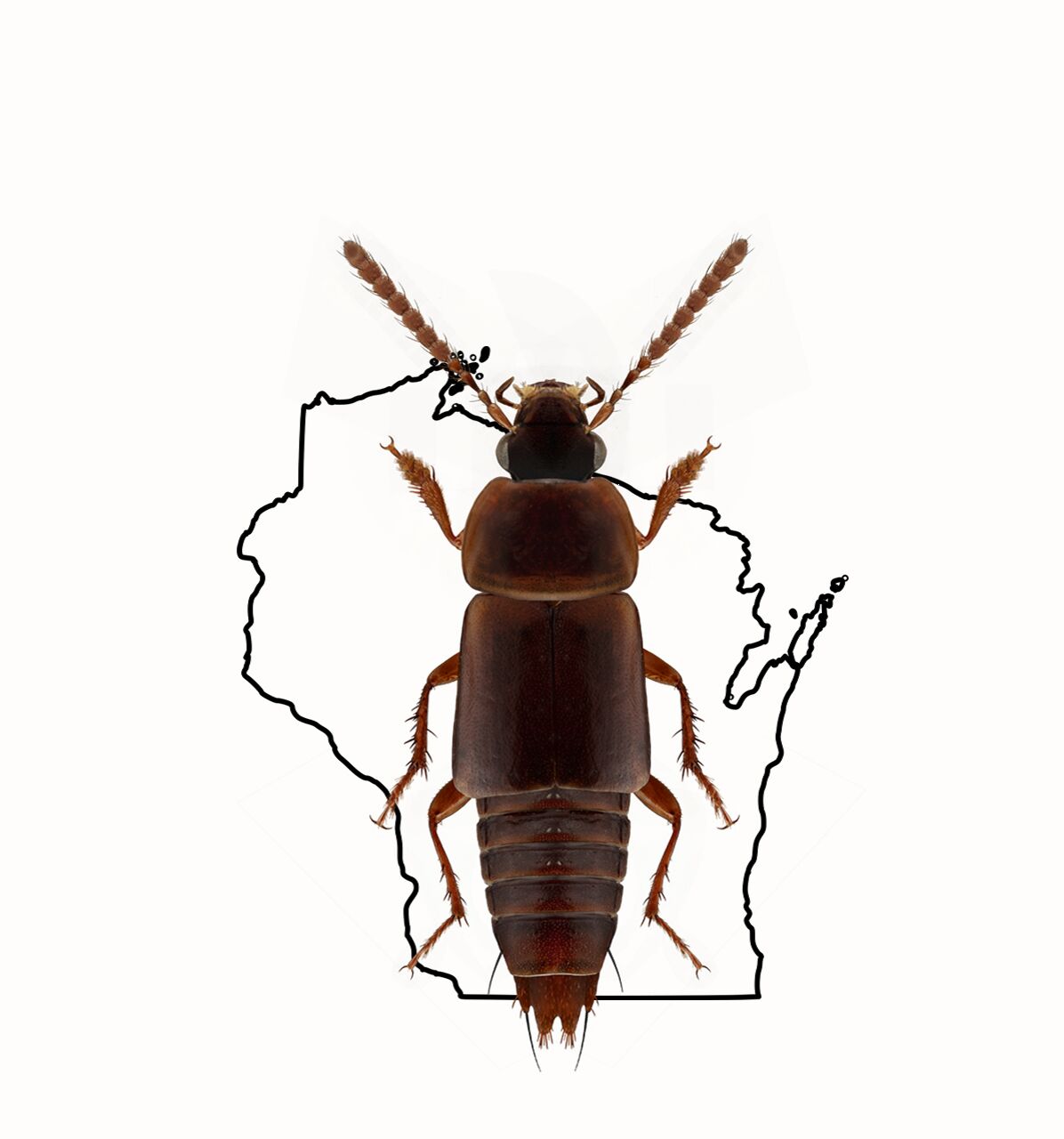
Ann Marsh. Research remains in full swing, with the primary focus currently on the imaging of Tachinus species to build out the necessary data sets.
Jack Whisenant. Jack is preparing for this summer’s “Illustrating Insects” course: a distance-learning course exploring techniques for both traditional and digital illustration of specimens and scientific concepts for enhancing scientific communication work. This class is open and welcome to all undergraduate and graduate students from any major! Jack remains in DC, working in the Entomology Department of the Smithsonian as a collections specialist. He is also part of the team coordinating the Entomological Collections Network (ecnweb.net – free to join!), a society dedicated to collections and the ways in which they continue to contribute to a wide range of systematic and ecological studies. Jack still returns to Madison several times a year to visit.
Dan Young: Instruction. Fall semester of 2026-2027 is well underway! This semester I am teaching ENT 302: Introduction to Entomology (as always); my “FIG” course, ENT 375: Biodiversity and the Sixth Mass Extinction; and ENT 375/701: Advanced Taxonomy of Coleoptera. The “beetle gang” spent the weekend of 18-20 September in the field up at our UW-Madison Kemp Natural Resources Station on Tomahawk Lake near Woodruff; the ENT 302 class had a day trip to the Mecan River (Marquette Co. ) on 4 October. Another weekend trip to Kemp for the FIG class (9-11 October) just completed – with excellent weather (for a change). The current winter/spring rotation includes ENT 302 (with a Sunday field collecting trip to the Cruson Slough in Richland County – by way of the Culver’s in Spring Green J). Also Taxonomy and Bionomics of Immature Insects. For “immatures”, we’ll have several, all-afternoon field collecting trips to Hemlock Draw, TNC in the Baraboo Hills of Sauk County. We will also spend the last weekend of April in the field back up at Kemp Natural Resources Research Station in Oneida County.
Outreach. I had a couple invited beetle presentations around WI and a “beetle walk” at Olbrich Gardens (on the hottest day in July!). I have another presentation for the Fond du Lac chapter of the Audubon Society this week (14 October).
Research. Wisconsin-based summer 2026 fieldwork again focused on Malaise trap sampling at Kemp Natural Resources Research Station. As usual, preliminary sorting is still way behind L.
Publications in Print.
- Young, D. K. 2026. Stalking the elusive stalk-eyed flies (Diptera: Diopsoidea: Diopsidae) of Wisconsin. Newsletter of the Wisconsin Entomological Socoety 53(2): 20–23.
- Young, D. K. 2026. New Wisconsin state records for predatory fungus gnats (Diptera: Bibionomorpha: Keroplatidae). The Great Lakes Entomologist 59(1–2): 116–121.
Manuscripts Submitted
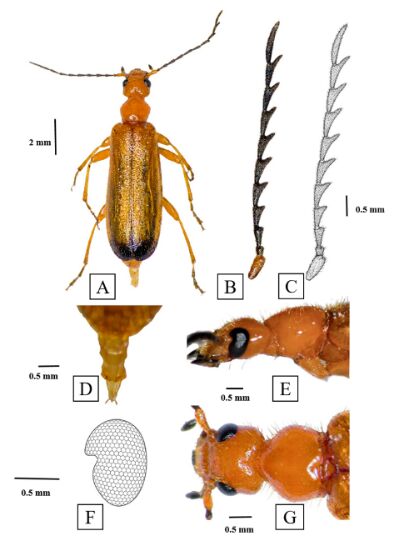
- Hassan, Mhanna, A. Ibrahim, D. K. Young, D. Devadkar, and R. A. Rasheed. Rediscovery of Hemidendroides peyroni Reiche, 1878 (Coleoptera: Pyrochroidae: Pyrochroinae), with redescription of the male, description of the female, and natural history observations. (submitted to Zootaxa) 18 manuscript pages, 4 figure plates. See image below.
- Saitȏ, M. and D. K. Young. Description of a new species of Tetratoma (Coleoptera, Tetratomidae) allied to T. sakagutii, from the Kyushu, Japan (submitted to Acta Musei Silesiae. Scientiae Naturales) 9 manuscript pages, 1 figure plate. See image below.
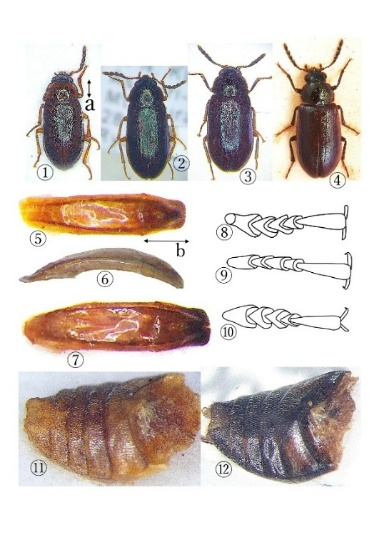
- Yang, X.-M., Q. Gao, D. K. Young, X.-S. Chen, Z. Pan. Diet analysis of Pseudopyrochroa facialis (Coleoptera: Pyrochroidae: Pyrochroinae) based on DNA metabarcoding technology of gut content. (submitted to Ecology and Evolution) 34 manuscript pages, 5 figure plates, 3 appendices.
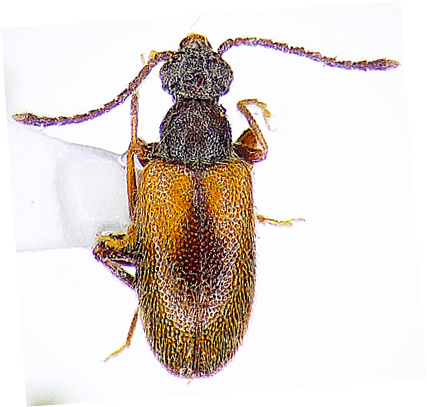
- Saitȏ, M. and D. K. Young. Description of a new species of Gonzalosia Collado & Alonso-Zarazaga and a proposed new genus (Coleoptera: Aderidae, Euglenini) from Japan. (submitted to Faunitaxys) 12 manuscript pages, 23 figures. See image below.
Bugs in the news
- The World’s First Bugs Had Way More Legs. Ancient fossils suggest insects conquered land through a long amphibious phase rather than making an abrupt jump from water to dry ground. A newly identified 324-million-year-old species still carried paddle-like abdominal limbs, revealing an evolutionary bridge between aquatic ancestors and modern six-legged insects. – NYTimes and ScienceDaily
- These Teeny Tiny Spiders Are Social Media Stars. Jumping spiders are tiny, social, hairy creatures. In a sea of sameness online, they are growing in popularity. Even spider-haters are charmed. – NYTimes
- An Invasive Mosquito Is Spreading With Alarming Speed, Threatening Africa’s Cities. The malaria-carrying mosquito Anopheles stephensi is resistant to all insecticides. Scientists are scrambling to find ways to blunt the risk. – NYTimes
- The U.S. Eradicated this flesh-eating parasite. Now it’s back. The flesh eating New World screwworm has returned to the United States, threatening livestock, wildlife, pets and potentially people as it spreads north. A new UC San Diego tracking system aims to predict where the parasite could strike next while officials revive the eradication strategy that defeated it decades ago. – ScienceDaily
- Queen bees have a disturbing way to survive pesticides. Honeybee queens exposed to pesticides can shift some of the contamination into their eggs, revealing a previously unknown survival strategy. The process may protect the queen while putting developing offspring, and potentially the entire colony, at risk. – ScienceDaily
- World’s most-used weedkiller disrupts honeybee brains. Glyphosate was long thought to be safe for honeybees because they lack the enzyme the chemical targets in weeds. However, researchers found that exposed bees foraged 13 percent less after only three days and showed changes in brain chemicals linked to behavior. Across a whole hive, that decline could reduce honey production, weaken pollination, and threaten long-term survival. – ScienceDaily
- This giant stick insect fooled scientists for decades. Scientists have identified two new species of large Australian stick insects, including one that lays extraordinary “lidded” eggs never before recorded in the group. The discovery also revealed that a familiar stick insect had been misidentified for decades, showing how much biodiversity may still be hiding in plain sight. – ScienceDaily
- New chemical wipes out 95% of termites without harming humans. A chemical that stops drywood termites from building new exoskeletons killed about 95% of colonies in testing, offering a potentially safer alternative to traditional fumigation. Because termites eventually have no choice but to molt, the treatment turns a normal stage of their life cycle into a fatal weakness. – ScienceDaily
- Your dislike of eating bugs may be 9,000 years old. Ancient teeth and human DNA are revealing a surprising history of insect eating. Modern humans in northern Eurasia appear to have eaten insects only occasionally, while Neanderthals may have consumed them much more regularly. Populations near the tropics also retained genes that make insect exoskeletons easier to digest. – ScienceDaily
- Pollen has a surprising problem — and honeybees have found a way around it. Honeybees can apparently detect when their food has the wrong balance of essential nutrients and adjust how much they eat to avoid potentially harmful excesses. They also transform pollen into remarkably well-balanced baby food for their larvae, revealing a sophisticated nutritional strategy hidden inside the hive. – ScienceDaily
- A 60-year-old theory about ants, bees and wasps may be wrong. Scientists have long thought an unusual genetic system helped ants, bees, and wasps evolve their extraordinary social colonies. A massive new analysis suggests that genetics alone can’t explain it—and the real secret may lie in other traits unique to these insects. – ScienceDaily
- These insect submariners survive depths that should crush them. Lake fly larvae plunge more than 200 meters into Lake Malawi each day to hide from predators, using tiny air sacs to control their depth. A rubber-like material called resilin lets them expand or shrink the sacs by changing their pH. Their toughness challenges a popular explanation for why insects are absent from the open ocean. – ScienceDaily
- Scientists discover the hidden brain switch that assigns bees their jobs. Researchers found that specific brain circuits help decide which jobs bees perform as they age. When those circuits were switched off, older worker bees began caring for the queen again instead of carrying out their normal later-life duties. The findings reveal that a bee colony’s complex division of labor may be guided by neural switches hidden inside each bee’s brain. – ScienceDaily
- Ant brains reveal how evolution turned hunger into parenting. Ant parenting may have evolved from the same brain systems that once controlled hunger. Researchers found that two chemical signals push clonal raider ants toward either caring for larvae or leaving to forage, with the balance changing as the ants grow older. Similar signals are involved in mammalian caregiving, suggesting that evolution may have followed the same basic blueprint across very different animals. – ScienceDaily
- These bizarre new beetles look so stretchy scientists named them Luffy. Scientists have named a newly discovered beetle genus Luffy, inspired by the stretchy hero of the manga and anime One Piece. The insects have unusually long, slender mandibles, antennae, and mouthparts that resemble Luffy’s rubber-like ability to extend his body. – ScienceDaily
- Bumblebees collect up to 7 times more toxic metals than honeybees. Bumblebees are picking up dramatically more toxic heavy metals than honeybees, even when both species forage in the same places. Researchers warn that this hidden pollution could quietly reduce their ability to find food, reproduce, and keep colonies healthy. – ScienceDaily
- This common pesticide may be quietly wiping out future bumblebees. A next-generation pesticide designed to kill crop pests may also be interfering with the reproductive health of bumblebees. Researchers discovered that low-dose exposure to sulfoxaflor changed gene activity, especially in tissues involved in reproduction, raising concerns about long-term impacts on bee populations. Because pollinators are essential for about one-third of the world’s food production, finding ways to protect them while controlling pests has become increasingly important. – ScienceDaily
- This newly discovered ballista spider catapults ants into a deadly trap. Scientists have discovered a “ballista spider” that builds a spring-powered silk trap designed specifically to catch aggressive green tree ants. The ant unknowingly triggers the mechanism itself, launching into the spider’s web in one of nature’s most extraordinary hunting strategies. – ScienceDaily
- Scientists mapped every neural connection in a fruit fly and found a surprise. A groundbreaking new connectome maps every neural connection in an adult fruit fly’s central nervous system, creating an unprecedented view of how the brain and body work together. The findings suggest that complex behaviors emerge from distributed local circuits rather than a single central controller, offering new clues about intelligence, movement, and brain function. – ScienceDaily
- Scientists stunned as bumble bees solve a classic intelligence test. Bumble bees astonished researchers by inventing a new way to reach a hidden reward by standing on a ball, despite never being taught the trick. The discovery adds to growing evidence that these tiny insects are far smarter and more adaptable than once believed. – ScienceDaily
- This blood-feeding fly sacrifices its sight after finding a host. Deer keds rely on flight and vision to find a host, but everything changes once they land. After shedding their wings forever, these parasites reduce the activity of key vision-related genes by about half. Scientists believe they are effectively trading sharp eyesight for extra energy that can be used for feeding and reproduction. – ScienceDaily
- Oak trees are delaying spring to starve caterpillars. Oak trees have a surprising trick to fight back against hungry caterpillars: they simply wait. When trees are heavily attacked one year, they delay leaf growth by just three days the next spring—long enough to leave newly hatched caterpillars with nothing to eat. This small shift slashes insect survival and reduces leaf damage by more than half, proving even more efficient than costly chemical defenses. – ScienceDaily
- Scientists stunned as pink katydid transforms into green camouflage. A bizarre rainforest insect is rewriting what scientists thought they knew about camouflage. A katydid spotted glowing hot pink in Panama stunned researchers when it slowly transformed into green in just 11 days, perfectly mirroring the life cycle of tropical leaves that emerge pink before maturing. What once seemed like a rare genetic oddity now appears to be a clever survival trick, allowing the insect to blend in as its leafy surroundings change. – ScienceDaily
These “plastivore” caterpillars can devour a plastic bag in just 24 hours. Scientists have discovered that waxworm caterpillars can break down polyethylene plastic, one of the most common and persistent pollutants on Earth. But there’s a twist: on a plastic-only diet, the caterpillars weaken and die quickly. Scientists are now experimenting with ways to keep them alive longer.- ScienceDaily